AJ’s Hot Wax / Journal
Comprehensive Guide to Dental Implants Prices: Your Path to a Perfect Smile
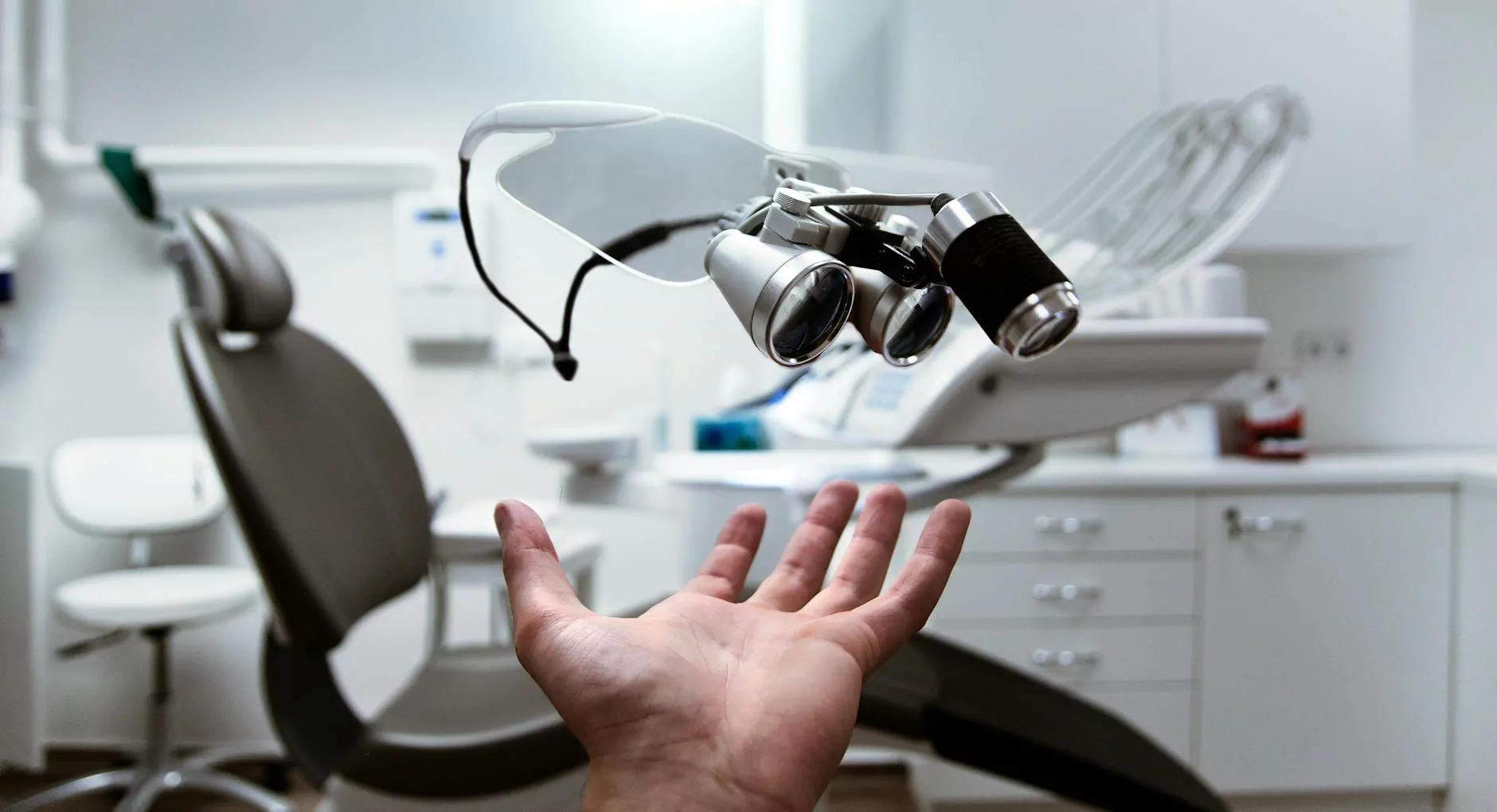
When it comes to restoring your smile and regaining confidence, dental implants have revolutionized the landscape of restorative dentistry. Not only do they offer a durable and natural-looking solution, but they also provide long-term benefits that surpass alternatives like dentures or bridges. However, one of the primary concerns for many patients considering this procedure is dental implants prices. Understanding the factors that influence costs, what to expect, and how to make informed decisions can help you embark on your journey toward a healthier, more confident smile.
Understanding Dental Implants and Their Benefits
Dental implants are titanium posts surgically integrated into the jawbone to serve as artificial roots for replacement teeth. They are designed to mimic natural tooth roots, providing a sturdy foundation for crowns, bridges, or even full-mouth restorations. The advantages of choosing dental implants include:
- Enhanced durability and longevity — with proper care, implants can last decades or a lifetime
- Improved oral health — they prevent bone loss and maintain facial structure
- Natural appearance and functionality — they look and feel like real teeth
- Preservation of surrounding teeth — implants do not require grinding down adjacent teeth
- Improved confidence and quality of life — eating, speaking, and smiling without fear
The Factors Influencing Dental Implants Prices
Understanding the factors that influence dental implants prices is crucial for planning your treatment financially. Costs can vary significantly based on multiple elements, including:
1. Location and Geographic Region
Dental care costs differ widely depending on where you live. Urban areas with a high cost of living typically have higher procedural expenses compared to rural regions. Countries with advanced healthcare infrastructure often assign higher prices but may also provide superior quality and technology.
2. The Complexity of the Case
Not all dental implant procedures are straightforward. Complex cases requiring bone grafting, sinus lifts, or additional surgical interventions will understandably increase the overall dental implants prices. These preparatory procedures are essential when the jawbone density is insufficient to support implants.
3. Type and Brand of Implants Used
There are various implant brands and types, each varying in material quality, design, and technology. Premium brands with proven track records often come at a higher cost but may offer better long-term success rates and comfort.
4. Professional Expertise and Technology
Experienced oral surgeons and implant specialists who utilize cutting-edge technology such as 3D imaging and computer-guided surgery tend to charge more. However, these methods often result in more precise, safe, and comfortable procedures.
5. Number of Implants Needed
The total cost scales with the number of implants required. Replacing a single tooth is less expensive than a full arch restoration, which involves multiple implants and prosthetic components.
6. Type of Prosthetic Restoration
The crown, bridge, or denture attached to the implants also influences the overall cost. Customized, high-quality prosthetics that match natural teeth are more expensive but provide superior aesthetics.
Typical Cost Range for Dental Implants
While prices can vary, a general overview indicates that in many regions, the cost per implant can range from $1,500 to $6,000. This variation accounts for the different factors previously mentioned and includes:
- Implant fixture — the titanium screw implanted into the bone
- Abutment — the connector attaching the implant to the crown
- Crown or prosthetic — the visible part that replaces the natural tooth
Breaking Down the Cost: What’s Included?
Typically, the total dental implants prices encompass more than just the implant surgery. They include various components and services such as:
- Initial consultation and diagnostic imaging
- Surgical placement of the implant
- Healing period and osseointegration (where the bone fuses with the implant)
- Abutment placement and prosthetic fitting
- Follow-up visits and adjustments
- Additional procedures like bone grafting if necessary
Cost Saving Tips Without Compromising Quality
While it’s tempting to choose the cheapest option, prioritizing quality and safety is essential. Here are some strategies to optimize your investment in dental implants:
- Research reputable clinics and specialists — look for established facilities with positive patient reviews and certified practitioners.
- Explore financing options — many clinics offer payment plans or dental loans.
- Ask for detailed estimates — ensure you understand what each quote covers, including possible additional costs.
- Consider your long-term savings — investing in high-quality materials and experienced surgeons can save money over time by reducing the likelihood of complications or replacements.
- Check insurance coverage — some dental plans may cover parts of the procedure, especially if it's deemed necessary for health reasons.
Additional Costs and Considerations
Beyond the basic dental implants prices, be aware of potential extra expenses, including:
- Preoperative diagnostics (X-rays, CT scans)
- Bone grafting or sinus lift procedures
- Postoperative medications and antibiotics
- Follow-up visits and adjustments
- Replacement or repair costs if issues arise later
Choosing the Right Dental Center for Your Implant Procedure
Selecting a reputable medical center is pivotal to achieving successful results for your dental implants. When evaluating options, consider:
- Accreditations and certifications of the clinic and surgeons
- Patient testimonials and before-and-after photos
- Availability of advanced technology and materials
- Transparency in pricing & comprehensive treatment plans
- Postoperative support and warranties on the implants
The Role of Technology in Reducing Costs and Improving Outcomes
Innovative technologies such as CAD/CAM design, 3D imaging, and virtual surgical planning are transforming dental implant procedures. These tools improve precision, decrease surgical times, and reduce complications—ultimately leading to better outcomes and potentially lower long-term costs.
Final Thoughts: Investing in Your Smile
While the dental implants prices may seem significant at first glance, consider the value they bring to your life. A well-executed implant restores functionality, enhances aesthetics, and preserves your oral health, making it a wise long-term investment. Collaborate with experienced professionals, understand all cost implications, and prioritize quality for a successful and satisfying outcome.
For expert guidance and personalized treatment plans, visit wupdoc.com — your trusted destination in Doctors, Health & Medical, Medical Centers. Our team is committed to helping you achieve the best possible results for your dental health and overall wellbeing.